Horn Lake Tree Service • Call or Text

Tree Touching Roof in Horn Lake, MS

If you have a tree touching roof issue in Horn Lake, the important question is not just what is visible from the ground. It is whether the condition is stable, how it is affecting nearby structures, and what should happen first to keep the situation from getting worse.

Locally FocusedFast CallbacksClear Job ScopeProperty-Safe PlanningMetro Coverage
Tree Touching Roof in Horn Lake, Mississippi

Horn Lake tree problem overview

Homeowners across Horn Lake often call when a tree starts changing the way the property functions—branches scraping the roof, roots lifting hardscape, or a lean that gets worse after rain. With a tree touching roof situation, the right next step depends on what the tree is touching, whether the load is still shifting, and how the property can be accessed safely.

  • movement at the root plate or soil lifting
  • fresh cracking sounds after wind or rain
  • debris blocking the driveway, sidewalk, or yard gate
  • new bark splits or wood separation
  • limbs hanging under tension over a target area

These problems often start as one visible symptom, but the practical decision is about the whole site: roof edges, utilities, neighboring fences, driveway access, and where cut material can be moved without creating a second problem.
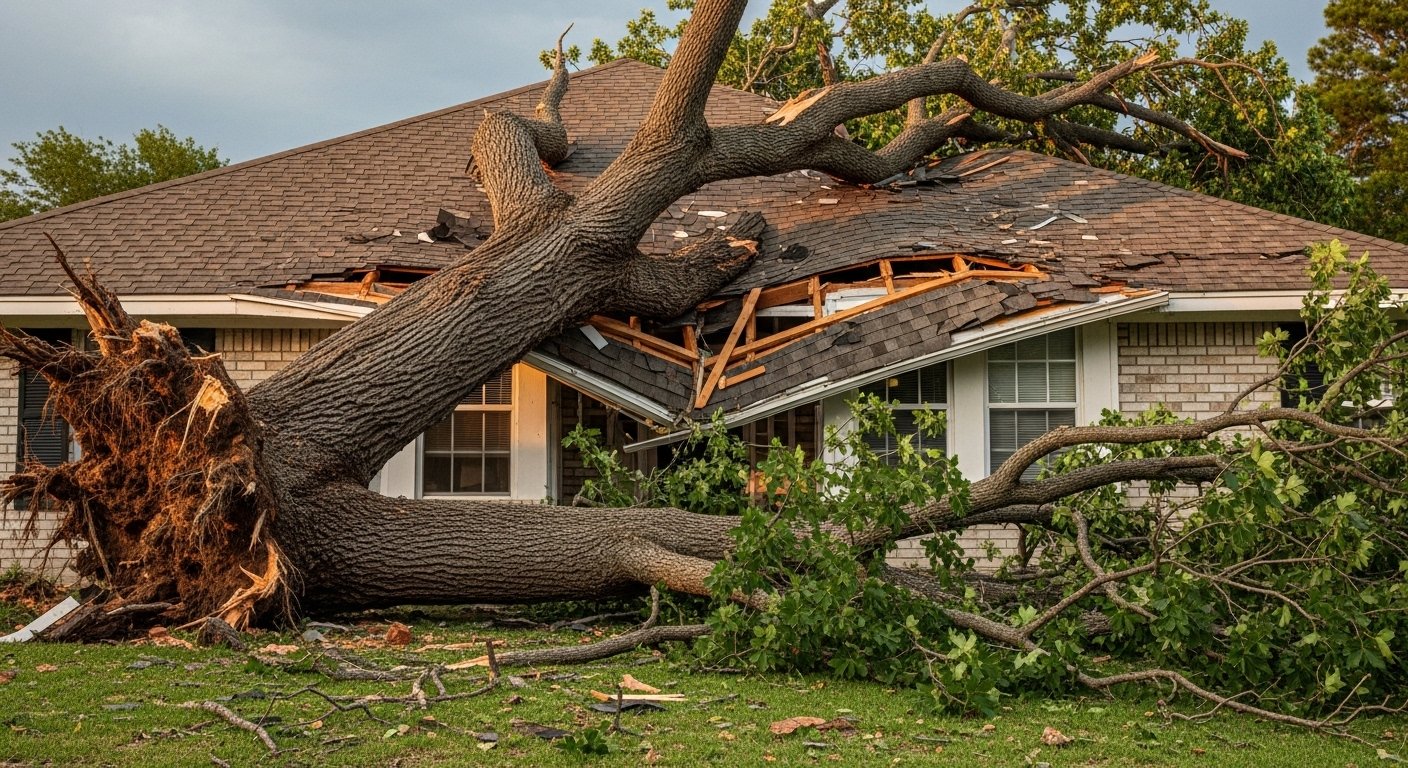
Tree Touching Roof service call

What usually happens next

Some Horn Lake tree problems need a same-day response. Others need a careful site visit and a staged plan. When a tree is already on a house, driveway, or access road, priorities usually center on safety, preventing further damage, and working around insurance or utility considerations. When the tree is still standing, the focus is often on whether the risk is active and whether trimming, sectional reduction, or full removal is the smarter long-term move.

The outcome most property owners want is simple: remove dead or compromised wood before the next storm. Reaching that outcome safely depends on species, wood condition, access, and what the tree can hit if more material shifts.

Common causes in Horn Lake

Mid-South properties see this kind of issue because of wind loading, saturated soil, old pruning cuts, hidden decay, root stress, and branch weight over structures. A tree can look mostly intact and still have a compromised union or root zone that changes the risk profile quickly after a storm or prolonged wet weather.

That is why many homeowners start with a direct call or text conversation first. A short description of the location, target, and access often makes it easier to decide whether the situation sounds urgent or can be scheduled in a normal service window.

Helpful next-step pages

Tree Touching Roof FAQ

Can you work in tight backyards?

Many tree jobs in Horn Lake involve fences, sheds, pools, and narrow gates. Tight access usually changes the removal plan, equipment choice, and cleanup workflow, but it is a common type of project.

Do you haul away debris?

Cleanup scope can be tailored to the project. Many customers want brush and log haul-off included so the property is left easier to use right away.

Do you offer both call and text?

Yes. This site uses call and text as the only contact options, so homeowners can choose the fastest way to start the conversation.

Will you look at storm damage?

Yes. Storm-damaged trees often need a safety-first inspection to check for cracked wood, hung limbs, shifted roots, and pressure against structures or access points.

Need a clear next step?

A direct call or text is often the fastest way to sort out whether the tree issue sounds urgent or can be planned safely.

Call 662-863-5577Text 662-863-5577